Are Solar Panels Right for Me?
Is It Right For Me?

Most homes can benefit from solar panels, but every property is different. The size, layout and condition of your roof, the amount of available space and the way your household uses electricity will all influence the system that is right for you.
On this page, we explain the main factors we consider when assessing you property, including if your roof is not straightforward.
In any case, a free home survey will give you a clear, honest view of what is possible and whether solar is likely to be worthwhile.
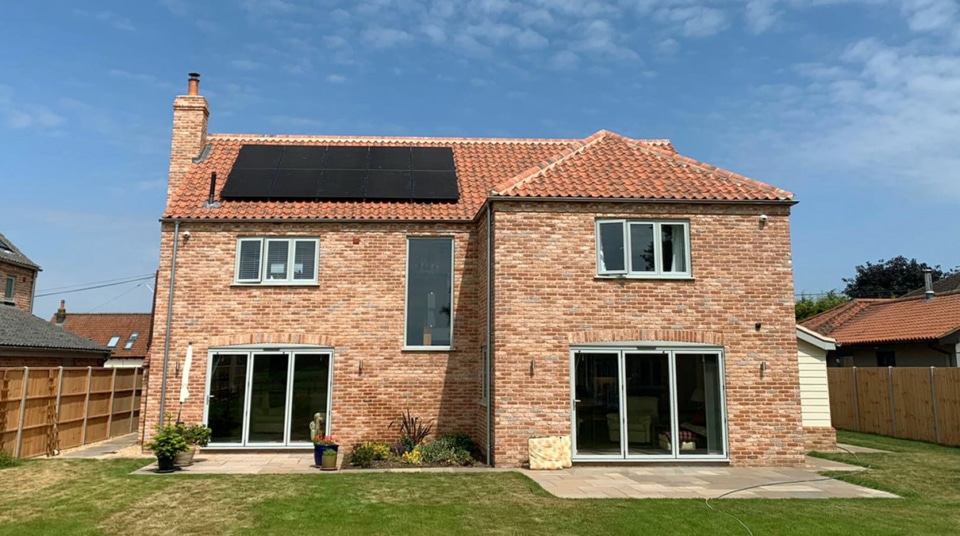
When assessing your property, we will consider these factors:
You do not need a perfect roof to benefit from solar. Many properties with limited space, more than one roof area or some shading can still support an effective system.
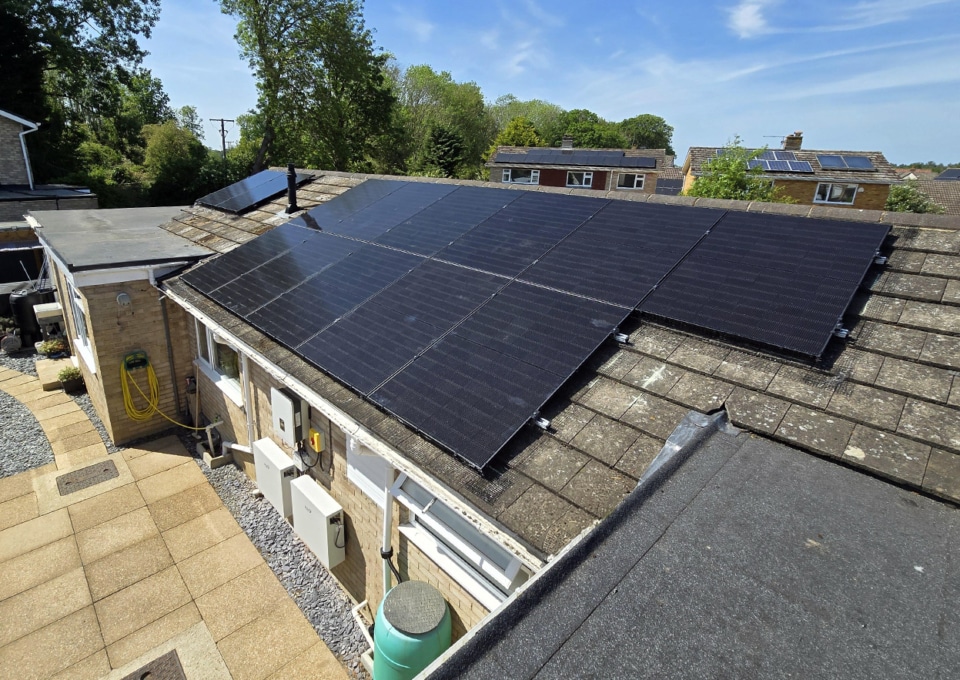
The amount of available space will influence the number of panels that can be installed and the amount of electricity the system could generate.
Panels do not always need to be placed together on one section of roof. Where appropriate, they may be split across different roof areas or installed on a suitable outbuilding.
If roof space is limited, a smaller system or higher-output panels may still provide worthwhile savings.
Solar panels can be installed on many common roof types, including:
Because solar panels are designed to remain in place for many years, the roof should be in reasonable condition before installation.
If we identify any visible concerns during the survey, we will explain them before recommending that you proceed.
The direction and angle of your roof will affect when and how much electricity your panels generate.
South-facing roofs generally produce the highest annual output, but east- and west-facing roofs can also perform well. They may be particularly useful for households that use more electricity in the morning or later in the day.
During your survey, we will assess the available roof areas and recommend the layout that best suits your property and energy use.
Shading from trees, chimneys, neighbouring buildings or other obstructions can reduce the performance of solar panels. Some occasional or partial shading does not necessarily make your home unsuitable.
We will assess how shading may affect the system and, where appropriate, recommend equipment designed to reduce its impact.
Most domestic solar panel installations in England do not require planning permission because they are normally covered by permitted development rights.
Additional restrictions may apply if your property is:
We will explain any planning considerations that may affect your installation and can help with the application process where permission is required.

No problem! Limited space, shading or an unusual roof layout does not automatically rule out solar panels. Depending on the property, possible options may include:
We will explain the realistic options and tell you honestly if we do not believe solar panels would offer good value for your home.
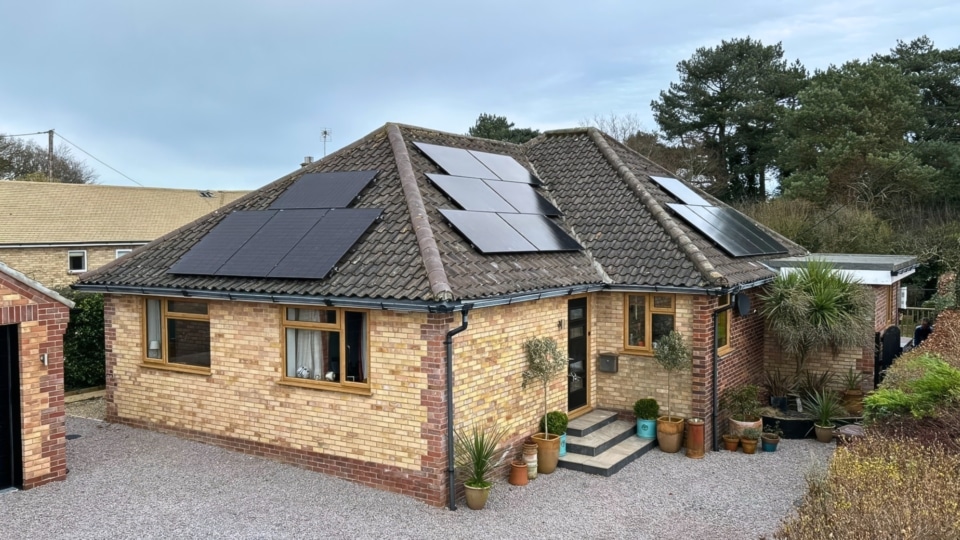
The best way to understand whether your property is suitable is to arrange a free home survey.
One of our qualified team members will assess your property, discuss your electricity use and recommend a system based on your home, priorities and budget.
You will receive clear advice and a no-obligation proposal, with no pressure to proceed.